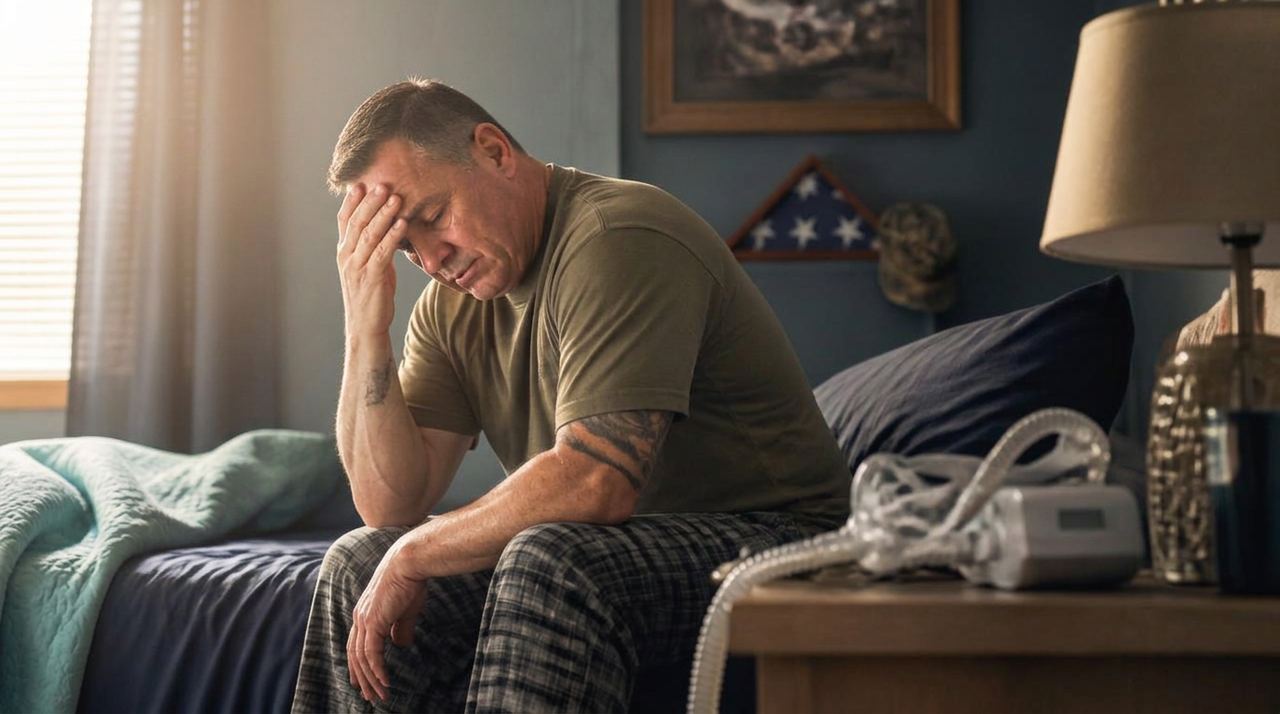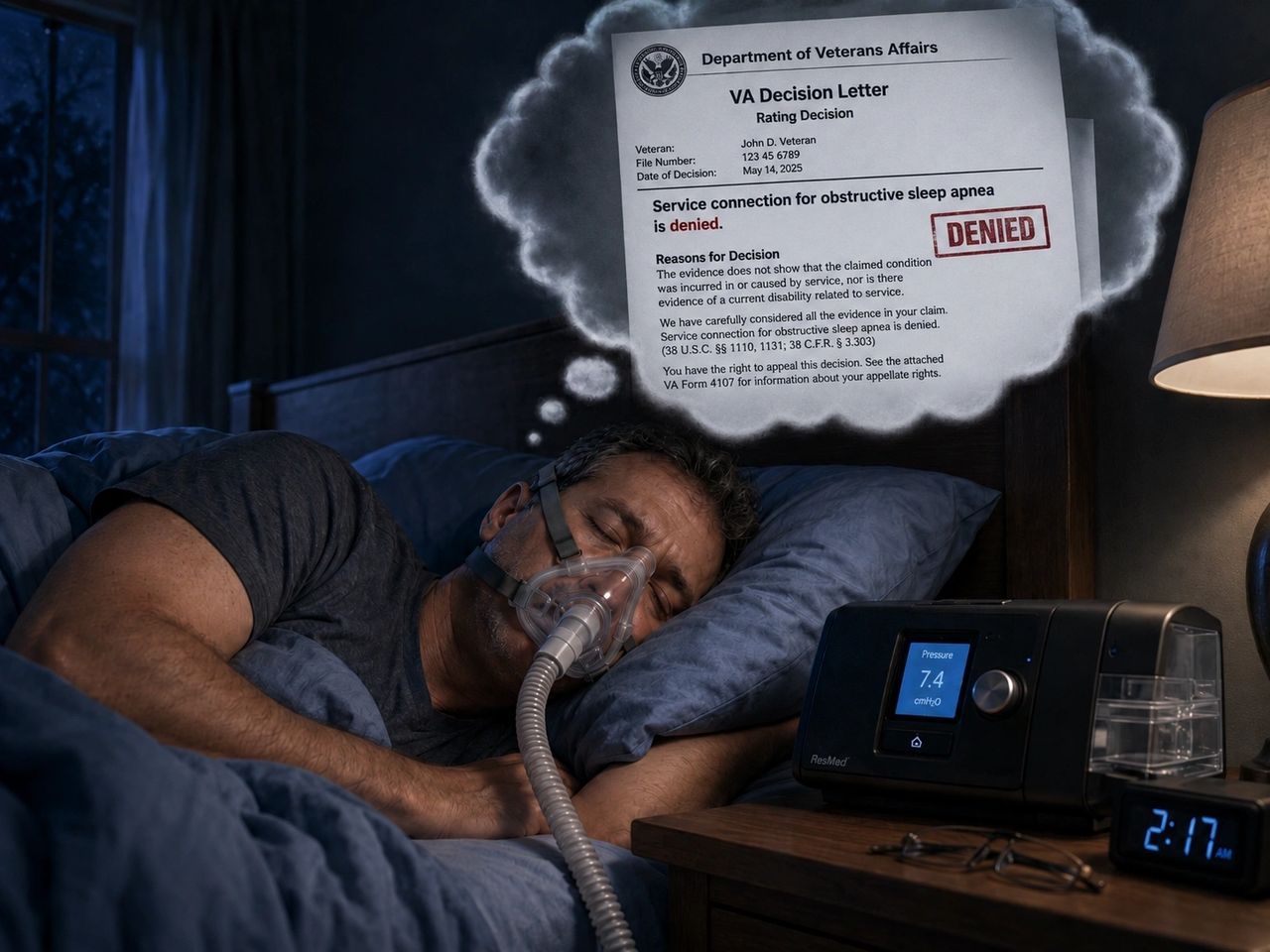

Many veterans struggle to navigate the VA disability system, especially when their conditions are indirectly related to their service. One frequently overlooked connection is Type 2 Diabetes Mellitus (T2DM) secondary to Obstructive Sleep Apnea (OSA). If you’ve been diagnosed with both conditions, this post will help you understand how to pursue a secondary service connection and what supporting evidence may be needed.
Understanding Obstructive Sleep Apnea (OSA)
Obstructive Sleep Apnea is a serious and common condition among veterans. It occurs when the airway becomes partially or completely blocked during sleep, often resulting in:
- Loud snoring
- Gasping or choking episodes during the night
- Excessive daytime fatigue
- Impaired concentration
- Mood disturbances
Most veterans diagnosed with OSA use a CPAP (Continuous Positive Airway Pressure) machine to keep their airways open at night.
Understanding Type 2 Diabetes Mellitus
Type 2 Diabetes is a chronic metabolic disorder in which the body becomes resistant to insulin or fails to produce enough of it. Symptoms can include:
- Increased thirst or hunger
- Frequent urination
- Fatigue
- Vision problems
- Slow-healing wounds
This condition is progressive and can cause long-term damage to the eyes, kidneys, nerves, and cardiovascular system.
The Connection Between OSA and Type 2 Diabetes
Emerging medical literature now recognizes Obstructive Sleep Apnea as a contributing or aggravating factor in the development of insulin resistance and Type 2 Diabetes. There are five different connections between sleep apnea and diabetes. One connection includes:
Intermittent Hypoxia
Repeated pauses in breathing reduce oxygen levels throughout the night. This “intermittent hypoxia” increases oxidative stress and triggers systemic inflammation—both of which impair the body’s ability to regulate blood sugar.
In your nexus letter, all connections between sleep apnea and diabetes will be diagnosed.
Schedule your free phone consultation: Book a free consultation
VA Secondary Service Connection: What It Means
A secondary service connection allows a veteran to receive VA disability compensation for a condition that is caused or aggravated by another service-connected disability.
If you are already service-connected for Obstructive Sleep Apnea and later developed Type 2 Diabetes, you may qualify for additional compensation by proving a nexus—a medical link—between the two.
What the VA Will Look For
To win your claim, the VA will generally expect:
✅ A current diagnosis of Type 2 Diabetes
✅ A current service-connected disability (in this case, OSA)
✅ A medical nexus opinion linking your diabetes to your OSA
This is where a nexus letter becomes crucial.
The Role of a Nexus Letter
A strong, well-supported nexus letter from a qualified medical professional can bridge the gap between your service-connected OSA and your new diagnosis of Type 2 Diabetes.
Your nexus letter should:
- Outline the timeline of your diagnoses
- Reference peer-reviewed medical literature
- Explain the pathophysiology connecting OSA to insulin resistance
- Address any alternate explanations the VA may cite (e.g., lifestyle factors, obesity, genetics)
Disability Ratings: What You Could Qualify For
The VA rates Type 2 Diabetes under 38 CFR § 4.119 – Diagnostic Code 7913. Ratings may include:
- 10%: Managed by diet alone
- 20%: Requires oral hypoglycemics and restricted diet
- 40%: Requires insulin, restricted diet, and regulation of activities
- 60% and 100%: For more severe complications (e.g., hospitalizations, neuropathy, organ damage)
These ratings can significantly increase your monthly compensation—especially if your service-connected OSA already carries a rating.
Final Thoughts
If you are a veteran diagnosed with both Obstructive Sleep Apnea and Type 2 Diabetes, you may be eligible for VA compensation based on secondary service connection. A strong nexus letter can make the difference in a successful claim.
Need help? At Brightview Psychiatry Solutions, we specialize in writing detailed, evidence-based nexus letters for veterans. Let us help you get the compensation you’ve earned.
📩 Ready to move forward?
Visit [yourwebsite.com] or schedule your consultation today.
📞 919-849-8617
Share this post: