Author: Jessica R. Allen, M.D. | Addiction Psychiatrist and Former C&P Examiner
To contact Dr. Allen, please call our office at (919) 849-8617 or Book a free consultation .
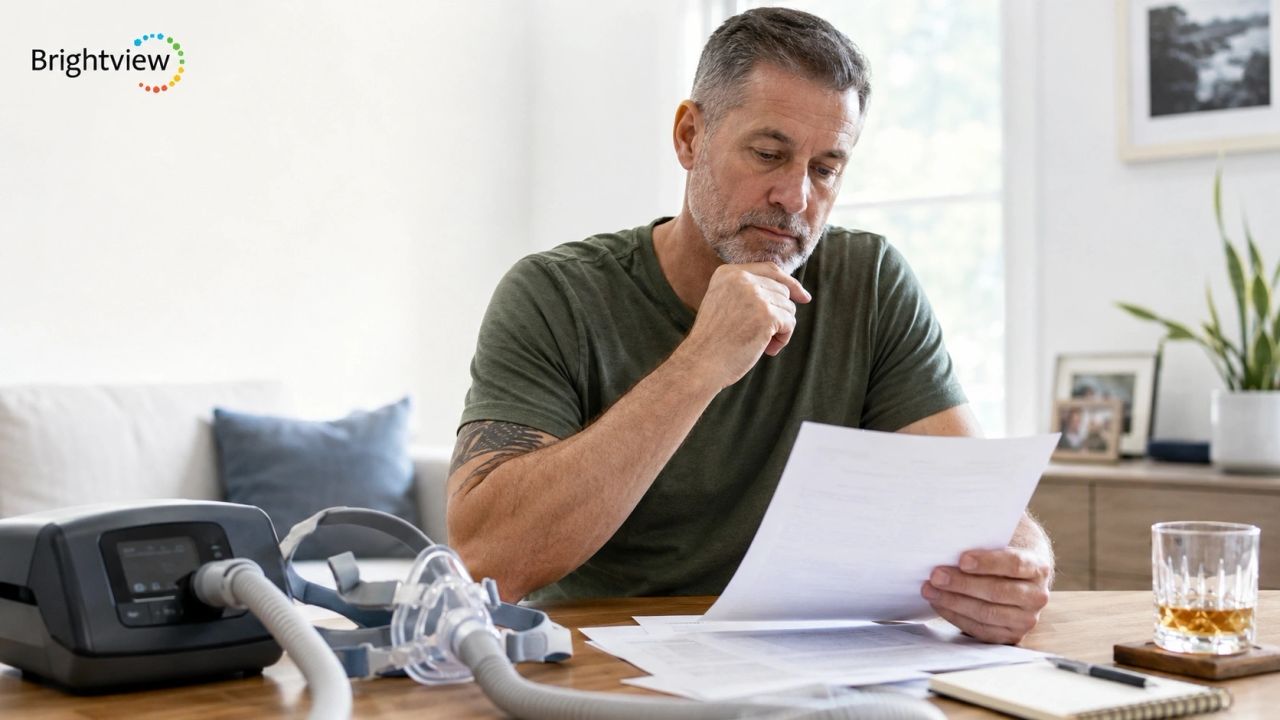
Can Alcohol Use Affect a VA Sleep Apnea Claim?
Yes, alcohol use can be relevant in a VA sleep apnea claim, but the issue has to be handled carefully.
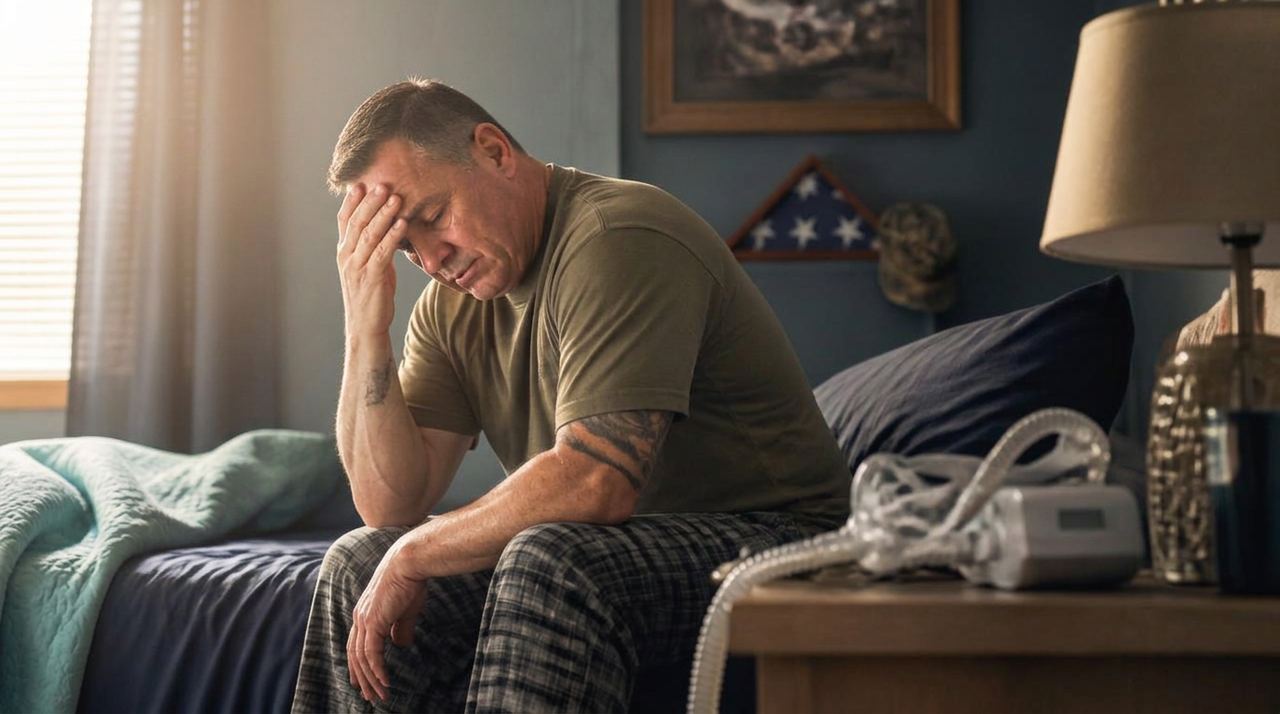
Obstructive sleep apnea (OSA) is a breathing disorder in which the upper airway repeatedly narrows or collapses during sleep, causing snoring, gasping, oxygen drops, fragmented sleep, fatigue, and increased cardiovascular risk.
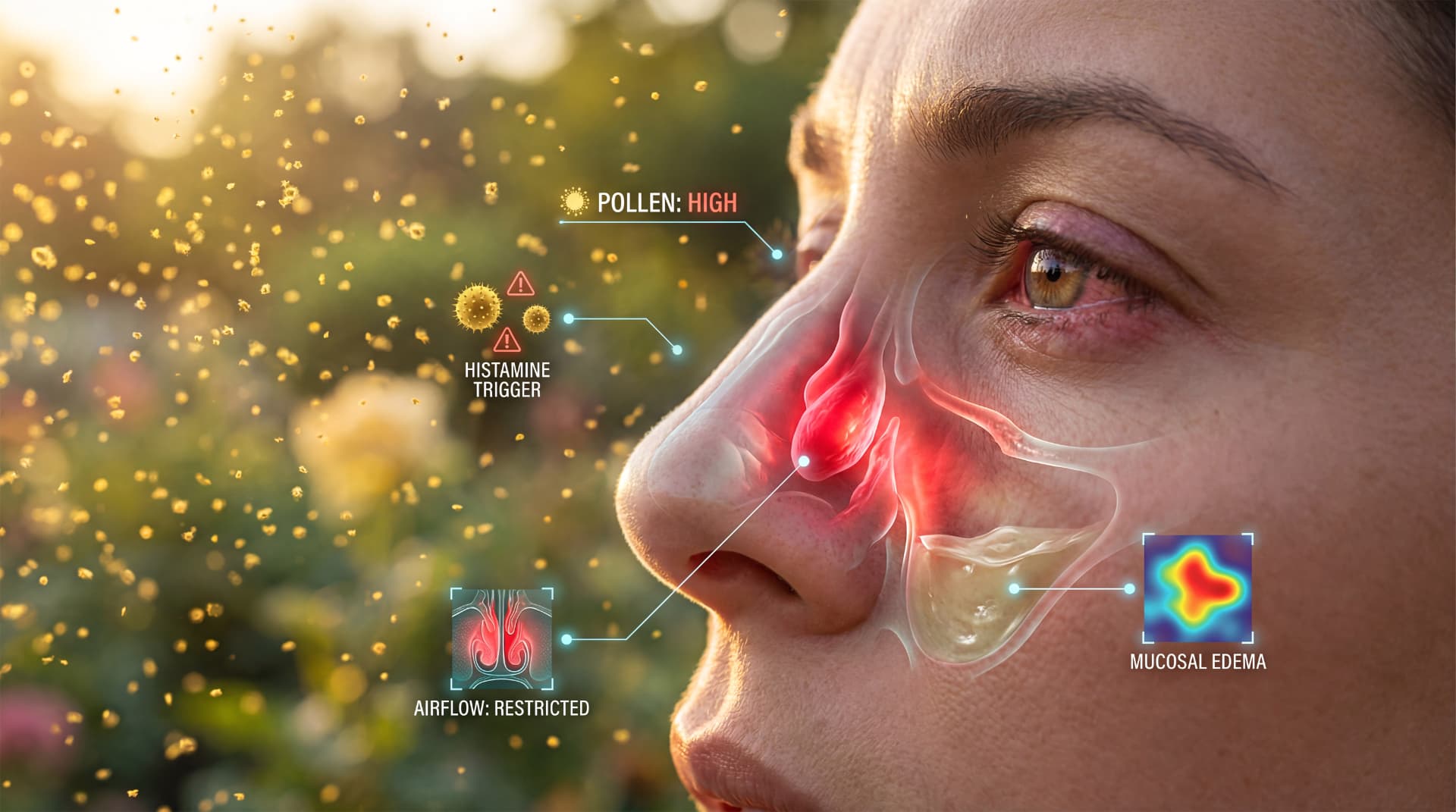
Veterans often claim sleep apnea as secondary to service-connected conditions such as PTSD, depression, anxiety, insomnia, chronic pain, rhinitis, sinusitis, asthma, or weight gain.
Alcohol use may matter because it can affect sleep quality, breathing, weight, fatigue, and CPAP tolerance, but it alone does not automatically prove service connection. The key question is usually:
Is the veteran's alcohol use medically connected to a service-connected condition, and did it contribute to the development or worsening of sleep apnea?
That requires a careful review of the veteran's actual records, not a generic internet explanation.
Why This Topic Is Complicated for Veterans
Alcohol use is a sensitive issue in VA claims.
A veteran should not frame the claim as, "I drank alcohol, and now I have sleep apnea" — the VA may view that as a standalone lifestyle or willful-misconduct issue. The stronger question is whether alcohol use is part of a broader service-connected disability picture. Some veterans use alcohol to cope with:
- PTSD symptoms
- Nightmares
- Anxiety
- Panic attacks
- Hypervigilance
- Depression
- Insomnia
- Irritability
- Emotional numbness
- Chronic pain
- Difficulty relaxing at night
In those situations, alcohol use may be part of a self-medication pattern connected to a service-connected psychiatric condition. This does not mean every veteran with PTSD and alcohol use has a strong claim — it deserves careful medical review.
Does Alcohol Make Sleep Apnea Worse?
Alcohol can worsen sleep apnea by relaxing throat muscles, disrupting sleep quality, increasing snoring, worsening nighttime awakenings, contributing to next-day fatigue, and reducing CPAP consistency.
Many veterans drink because they believe alcohol helps them fall asleep. While it may feel sedating at first, it can worsen sleep quality later in the night, creating a frustrating cycle:
poor sleep → alcohol use to relax or fall asleep → worse sleep quality → worse fatigue and irritability → more difficulty coping
For a veteran with PTSD, depression, anxiety, insomnia, or chronic pain, that cycle may be especially important.
| Alcohol-Related Issue | Why It May Matter |
|---|---|
| Throat muscle relaxation | May worsen snoring or airway narrowing during sleep |
| Poorer sleep quality | Can increase fatigue and non-restorative sleep |
| Nighttime awakenings | May worsen insomnia and fragmented sleep |
| Added calories | May contribute to weight gain over time |
| Next-day fatigue | May worsen depression, inactivity, and low motivation |
| CPAP difficulty | Some veterans may struggle more with treatment consistency |
Whether these issues matter in a VA claim depends on the veteran's diagnosis, medical history, VA rating decision, sleep study, treatment records, and prior denial rationale.
What Is Alcohol Use Disorder?
Alcohol Use Disorder (AUD) is not the same as occasional drinking. It is a formal mental health diagnosis involving a problematic pattern of use that causes clinically significant distress or impairment, with symptoms such as drinking more than intended, failed attempts to cut down, cravings, tolerance, withdrawal, or continued use despite interference with work, relationships, or health.
This distinction matters because occasional use, heavy use, and diagnosed AUD are not the same thing, and a claim may be viewed differently if AUD is formally diagnosed or documented as part of a service-connected psychiatric condition.
Can Alcohol Use Disorder Be Service Connected?
This is one of the most important issues for veterans to understand.
As a general rule, VA compensation is not payable for primary alcohol abuse as a standalone condition. However, there is an exception when AUD is secondary to, or a symptom of, a service-connected disability such as PTSD, depression, anxiety, or chronic pain-related mental health impairment — it may then become part of the broader service-connected picture.
For example, a VA rating decision or code sheet may list a diagnosis such as:
- PTSD with Alcohol Use Disorder
- Major Depressive Disorder with Alcohol Use Disorder
- Generalized Anxiety Disorder with Alcohol Use Disorder
- Other Specified Trauma- and Stressor-Related Disorder with Alcohol Use Disorder
- Depressive Disorder with anxious distress and Alcohol Use Disorder
This can change how the medical relationship is evaluated.
Veterans Should Check Their VA Rating Decision and Code Sheet
Veterans should review their VA rating decision and rating code sheet to see exactly how VA lists their service-connected conditions. A veteran may say, "I am service connected for PTSD," but the rating sheet may list additional diagnoses such as depression, anxiety, insomnia, or Alcohol Use Disorder.
Veterans should look for:
- The exact mental health diagnosis listed by VA
- Whether Alcohol Use Disorder is included
- Whether alcohol use was discussed in a C&P exam
- Whether alcohol use was described as self-medication
- Whether sleep disturbance was documented
- Whether weight gain was discussed
- Whether the VA made any favorable findings
- Whether a prior denial ignored aggravation or secondary service connection
How Alcohol Use May Change a Sleep Apnea Nexus Letter
A sleep apnea nexus letter involving alcohol use should not simply say, "PTSD causes sleep apnea," or "alcohol causes sleep apnea" — those statements are too broad. Instead, a strong medical opinion should consider whether the veteran's records support a medically sound connection between:
- service-connected psychiatric symptoms,
- alcohol use or Alcohol Use Disorder,
- sleep disruption,
- weight gain,
- CPAP tolerance,
- and the veteran's diagnosed obstructive sleep apnea.
The strength of the opinion is not simply in naming a possible mechanism, but in determining whether that mechanism actually applies to the veteran's case. That is why individualized record review matters.
Alcohol Use, PTSD, Depression, Anxiety, and Self-Medication
Many veterans use alcohol to manage emotional distress or sleep problems, often described as self-medication. Common symptoms that may lead to alcohol use include:
- nightmares,
- intrusive memories,
- panic symptoms,
- anxiety,
- hypervigilance,
- anger,
- depression,
- insomnia,
- emotional numbness,
- survivor's guilt,
- chronic pain,
- and difficulty feeling safe or relaxed.
When alcohol use increases after trauma exposure or the onset of a service-connected condition, that history may be relevant to whether it contributed to the veteran's sleep apnea in a medically meaningful way.
Alcohol Use, Weight Gain, and Sleep Apnea
Alcohol can also contribute to weight gain, since alcoholic beverages add significant calories when used regularly. Weight gain matters because it is one of the most common risk factors for OSA, adding pressure on the upper airway.
In some VA claims, weight gain may be relevant as part of an "intermediate step" theory: the veteran is not claiming obesity as a standalone disability, but rather asking whether a service-connected condition contributed to weight gain, and whether that weight gain then contributed to another condition such as sleep apnea. A veteran may have service-connected PTSD, depression, anxiety, or chronic pain that contributes to:
- alcohol use,
- poor sleep,
- reduced motivation,
- less physical activity,
- medication-related weight changes,
- increased appetite,
- or difficulty maintaining a healthy routine.
Alcohol Use and OSA Aggravation
A veteran does not always need to prove alcohol use originally caused sleep apnea. Often the more relevant question is whether a service-connected condition aggravated the OSA — made it worse beyond its expected natural progression.
A veteran may have several other risk factors for OSA — age, sex, anatomy, weight, nasal obstruction, rhinitis, sinusitis, or smoking history — but a service-connected psychiatric condition with associated alcohol use may still worsen sleep quality, weight, fatigue, CPAP tolerance, or sleep-disordered breathing. Many VA denials focus only on whether PTSD or depression directly "caused" sleep apnea, without considering aggravation.
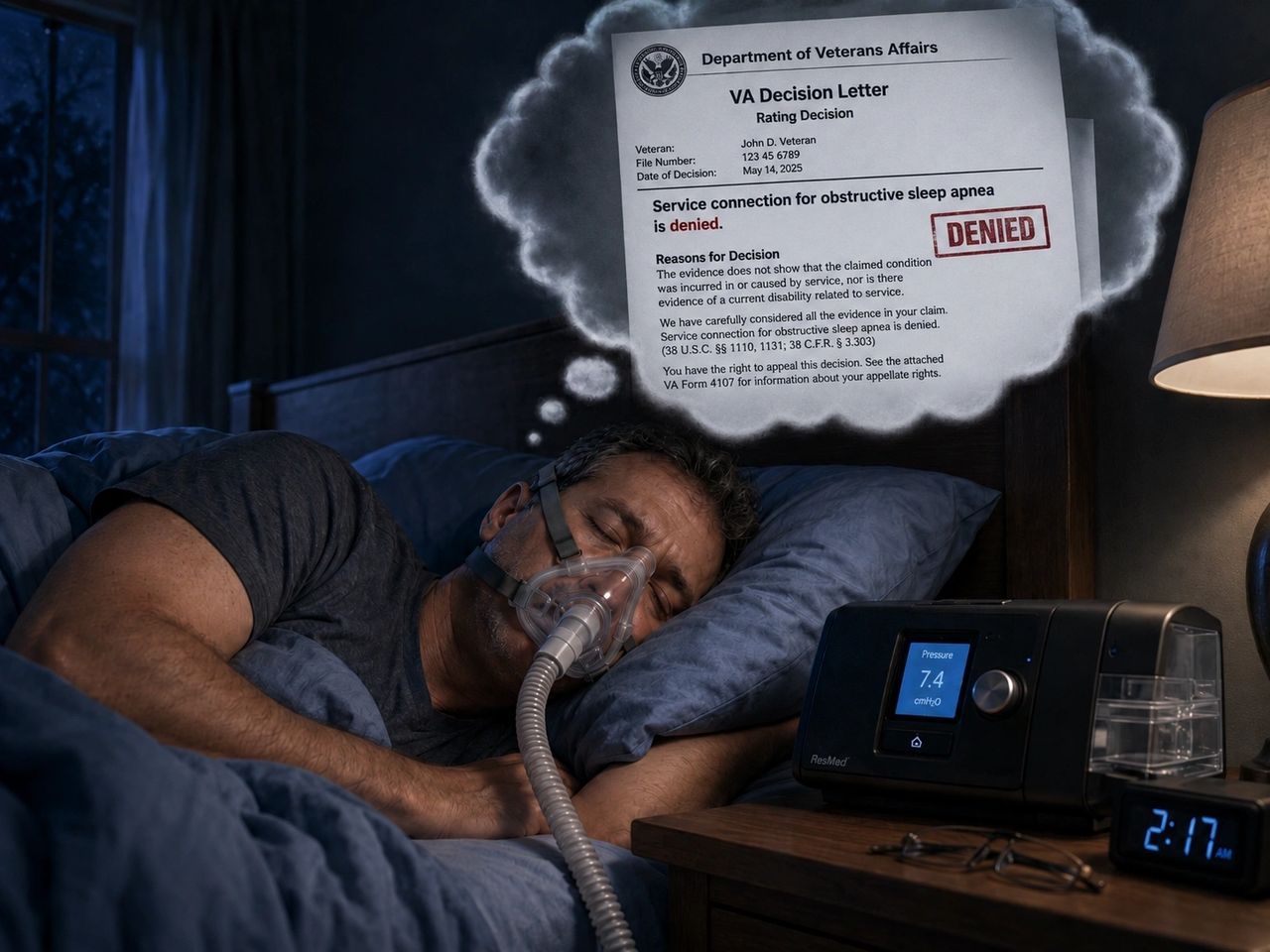
Common VA Denial Issues in Sleep Apnea and Alcohol-Related Claims
Veterans are often denied because the VA examiner focuses on one narrow issue and does not address the full medical picture.
| Common VA Denial Issue | Why It May Need Closer Review |
|---|---|
| "PTSD does not cause sleep apnea." | The claim may involve secondary service connection, aggravation, sleep disruption, weight gain, alcohol use, or combined factors. |
| "OSA is due to obesity." | The question may be whether service-connected conditions contributed to the weight gain. |
| "Alcohol use is willful misconduct." | The analysis may change if Alcohol Use Disorder is documented as secondary to a service-connected psychiatric condition. |
| "There was no OSA diagnosis in service." | Many secondary claims do not require sleep apnea to have started during service. |
| "The veteran has other risk factors." | Other risk factors do not automatically rule out service connection or aggravation. |
| "The medical literature only shows association." | A strong opinion should apply the medical research to the veteran's actual records and chronology. |
| "The veteran uses CPAP, so the condition is treated." | Treatment does not necessarily mean the condition was not caused or aggravated by service-connected factors. |
A VA denial is not always the end of the claim. OSA often has more than one contributing factor, and a veteran does not have to prove that PTSD, depression, anxiety, alcohol use, or weight gain is the only cause — only that the service-connected condition and its consequences at least as likely as not caused or aggravated it.
Why Generic Nexus Letters Fall Short
These claims require more than a generic statement that one condition "caused" another. A strong nexus opinion should be individualized to the veteran's actual records, including:
- the service-connected diagnoses,
- the chronology of symptoms,
- the alcohol use history,
- the sleep study,
- weight trends,
- medication history,
- CPAP history,
- mental health treatment records,
- lay statements,
- and the VA's prior denial rationale.
The strength of the opinion lies not in naming a possible connection, but in determining whether it is medically supportable in that veteran's specific case. This blog is educational and not a substitute for an individualized nexus opinion.
Evidence That May Help an OSA Claim Involving Alcohol Use
For veterans pursuing sleep apnea secondary to these conditions, helpful evidence may include:
- Sleep study confirming OSA
- CPAP, BiPAP, or oral appliance prescription
- VA rating decision for PTSD, depression, anxiety, or insomnia
- VA rating code sheet
- Mental health treatment notes
- Primary care notes
- Alcohol Use Disorder diagnosis, if applicable
- Records documenting alcohol use as self-medication
- Medication list
- Weight and BMI history
- Sleep medicine records
- Lay statement from a spouse, partner, roommate, or family member
- Buddy statements
- Prior VA denial letter
- C&P exam report
- Favorable findings from VA
The most persuasive nexus letters are not boilerplate — they connect the veteran's actual medical history to a sound theory of secondary service connection or aggravation.
Why Work With Dr. Jessica Allen for a Sleep Apnea Nexus Letter?
Dr. Jessica Allen is a physician and psychiatrist fellowship trained in Addiction Psychiatry and a former VA Compensation and Pension examiner, with background especially relevant to complex sleep apnea claims involving PTSD, depression, anxiety, insomnia, Alcohol Use Disorder, and weight gain.
Dr. Allen has significant experience writing evidence-based nexus letters for veterans seeking service connection for OSA, and many veterans have succeeded after submitting her letters along with supporting evidence such as sleep studies, VA records, rating decisions, and prior denial letters. Her approach is individualized and medically grounded, not generic template language.
Denied for sleep apnea? Book a free consultation to discuss whether a physician-written nexus letter may help strengthen your claim.
Bottom Line
Alcohol use can play an important role in VA sleep apnea claims, especially when a veteran is already service connected for PTSD, depression, anxiety, insomnia, chronic pain, or another mental health condition. The key issue is not simply whether the veteran drinks alcohol, but whether that use is part of a broader service-connected disability picture that contributed to the development or worsening of OSA through pathways such as poor sleep quality, airway relaxation, weight gain, reduced CPAP tolerance, or aggravation of sleep-disordered breathing.
For many veterans, the strongest OSA nexus letter is based on the full medical picture — mental health symptoms, sleep disruption, alcohol use, medication effects, weight gain, and reduced activity. If your claim was denied, review your rating decision, code sheet, C&P exam, sleep study, and medical records carefully; the denial may not have addressed the full picture.
Related Pages
Sleep Apnea Secondary to Obesity
About the Author
Dr. Jessica Allen is a physician and psychiatrist fellowship trained in Addiction Psychiatry and a former VA Compensation and Pension examiner, with extensive experience evaluating the relationship between mental health conditions, substance use, sleep disruption, weight gain, and obstructive sleep apnea.
Dr. Allen writes evidence-based nexus letters connecting a veteran's actual medical history to the relevant pathophysiology, VA regulations, and medical literature, and has helped many veterans obtain service connection for OSA.
Her approach is careful, individualized, and medically grounded, especially in complex cases involving PTSD, AUD, obesity as an intermediate step, and secondary service connection.
Resources for Veterans Concerned About Alcohol Use
If alcohol use is affecting your sleep, mood, relationships, work, health, or VA disability claim, consider speaking with a healthcare professional. AUD is treatable, and veterans do not have to manage it alone.
Helpful resources include:
Alcoholics Anonymous Meeting Finder
Alcoholics Anonymous provides peer-support meetings for people seeking help with alcohol use. Veterans can search for local or online meetings through the official AA website.
Find A.A. near you:
AA also offers information about the Meeting Guide App, which helps users find nearby AA meetings and resources. ( Alcoholics Anonymous)
Online Alcoholics Anonymous Meetings
For veterans who prefer remote meetings, the Online Intergroup of Alcoholics Anonymous provides a directory of online AA meetings.
Online AA meetings:
https://aa-intergroup.org/meetings/ ( AA Intergroup)
VA Substance Use Disorder Treatment Programs
The VA offers substance use treatment resources for veterans, including outpatient treatment, residential rehabilitation, counseling, and medication options. VA also has a Substance Use Disorder Program Locator to help veterans find local VA programs. ( Mental Health VA)
VA substance use treatment:
https://www.mentalhealth.va.gov/substance-use/treatment.asp
SAMHSA Treatment Locator
SAMHSA's FindTreatment.gov is a confidential and anonymous resource for locating mental health and substance use treatment programs in the United States and its territories. ( SAMHSA)
FindTreatment.gov:
SAMHSA National Helpline
Veterans and family members can contact SAMHSA's National Helpline for help finding treatment resources.
Call: 1-800-662-HELP (4357)
Text: your ZIP code to 435748
CDC also lists these SAMHSA contact options for people seeking mental health or substance use treatment services. ( CDC)
Share this post: