Author: Jessica R. Allen, M.D., physician and former C&P examiner
To contact Dr. Allen to discuss your sleep apnea disability claim or need for a nexus letter, book a free phone consultation Book a free consultation
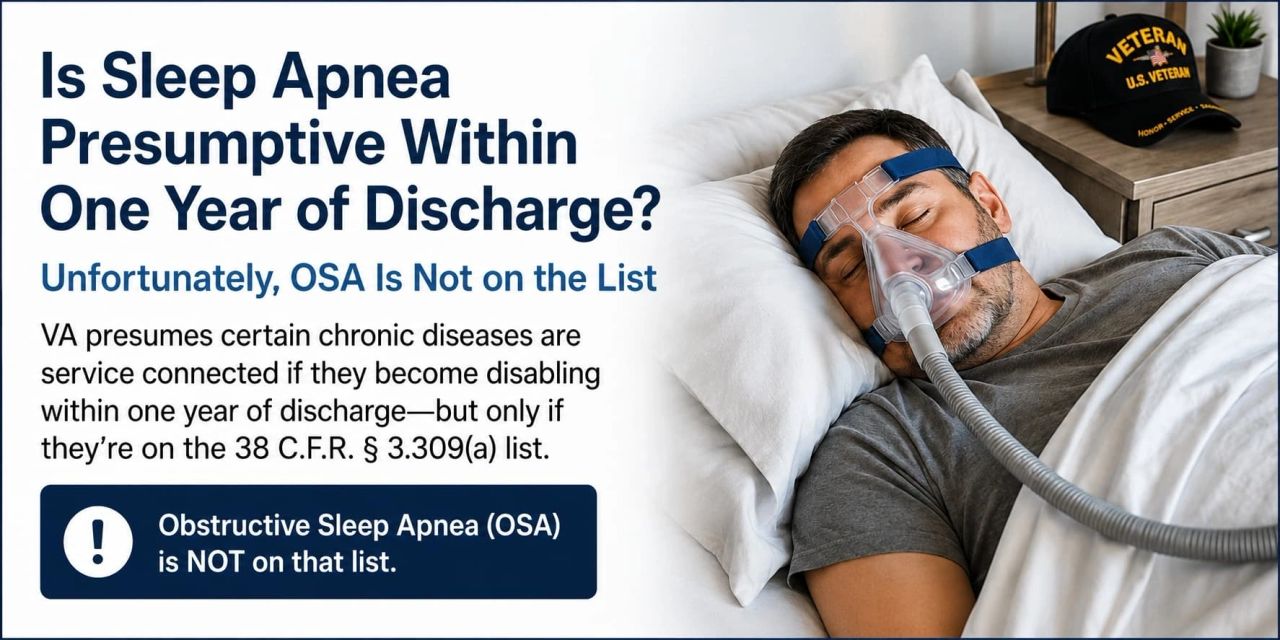
Unfortunately, OSA Is Not on the List
Many veterans are familiar with the concept of “presumptive service connection.” In certain situations, VA will presume that a medical condition is related to military service if it appears within a specific period after discharge. One important example is the rule for certain chronic diseases that become disabling within one year after separation from active duty.
However, there is an important limitation that many veterans do not realize: the condition must be one of the chronic diseases listed under 38 C.F.R. § 3.309(a).
Unfortunately, obstructive sleep apnea, commonly called OSA, is not included on that list.
This matters because many veterans are not formally diagnosed with sleep apnea until years after service. They may have snored loudly, experienced poor sleep, woke up gasping, struggled with daytime fatigue, or had witnessed pauses in breathing during active duty, but they never underwent a sleep study while they were still serving. Because OSA requires objective testing for diagnosis, many veterans do not receive a formal diagnosis until long after discharge.
When OSA was not diagnosed during active duty and is not covered by the one-year chronic disease presumption, veterans often need to think carefully about whether the condition can be claimed on a secondary basis.
What Does Secondary Service Connection Mean?
Secondary service connection means that a veteran’s current disability was caused or aggravated by a condition that VA has already recognized as service connected.
In plain English, the question becomes:
Did one of the veteran’s service-connected conditions cause, contribute to, or materially worsen the veteran’s obstructive sleep apnea?
If the answer is at least as likely as not, then the veteran may have a medically supportable basis to pursue OSA as secondary to an already service-connected disability.
This does not mean every sleep apnea claim will be granted. OSA claims are highly fact-specific. VA will typically look for a current sleep apnea diagnosis, evidence of a service-connected primary condition, and a well-explained medical nexus connecting the two.
Why Direct Service Connection Can Be Difficult for OSA
Direct service connection may still be possible when the evidence supports it. For example, a veteran may have documented in-service sleep complaints, buddy statements describing loud snoring or witnessed apneas during service, weight and medical records showing in-service onset, or a sleep study shortly after discharge.
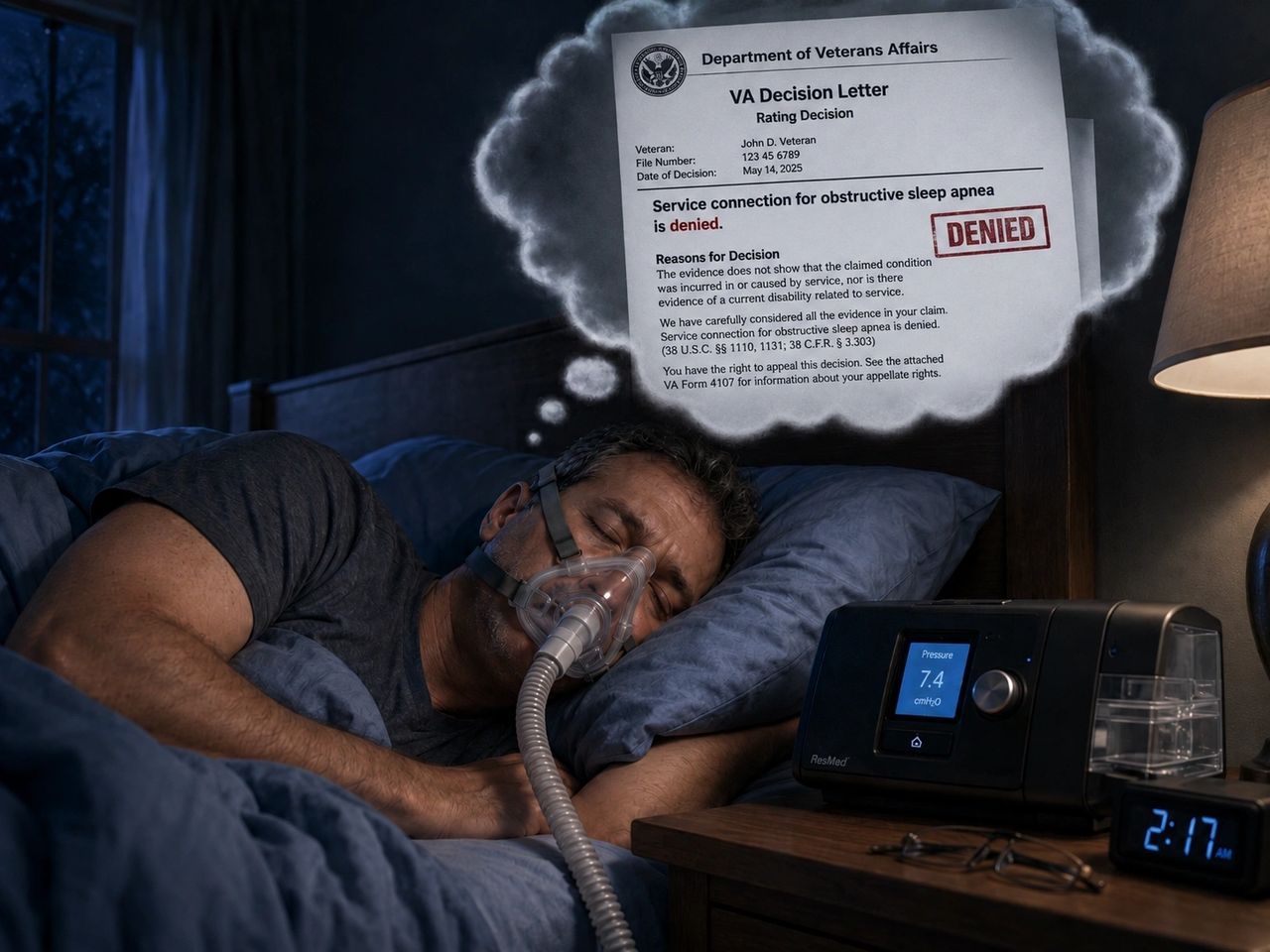
But many veterans do not have that type of documentation. Their service treatment records may be silent. Their symptoms may have been dismissed as fatigue, insomnia, stress, or “just snoring.” In those cases, VA may deny the claim by stating that OSA was not diagnosed during service and is not a presumptive chronic disease under the one-year rule.
That is why secondary service connection is often the more realistic and medically appropriate theory when OSA is diagnosed after active duty.
Common Secondary Pathways for Obstructive Sleep Apnea
Below are some of the more common secondary pathways that may be relevant in VA disability claims involving obstructive sleep apnea.
- https://ptsdnc.com/sleep-apnea-nexus-letter" rel="" target="">OSA Secondary to PTSD, Depression, Anxiety, or Other Mental Health Conditions
Many veterans with service-connected mental health conditions suffer from chronic sleep disruption, insomnia, hyperarousal, nightmares, reduced physical activity, emotional eating, and medication side effects. These factors can contribute to or worsen OSA through several mechanisms. 2. https://ptsdnc.com/sleep-apnea-nexus-letter" rel="" target="">OSA Secondary to Weight Gain or Obesity as an Intermediate Step
Obesity itself is generally not treated as a standalone disability for VA compensation purposes. However, it may be used as an intermediate step between a service-connected condition and a later disability such as obstructive sleep apnea. 3. https://ptsdnc.com/sleep-apnea-nexus-letter" rel="" target="">OSA Secondary to Musculoskeletal Conditions and Chronic Pain
Service-connected orthopedic and musculoskeletal conditions are another common pathway. Veterans with chronic back pain, neck pain, knee injuries, hip conditions, ankle injuries, foot disorders, radiculopathy, or other painful conditions may become less physically active over time. 4. /sleep-apnea-sinusitis-1" rel="" target="">OSA Secondary to Allergic Rhinitis, Sinusitis, or Nasal Obstruction
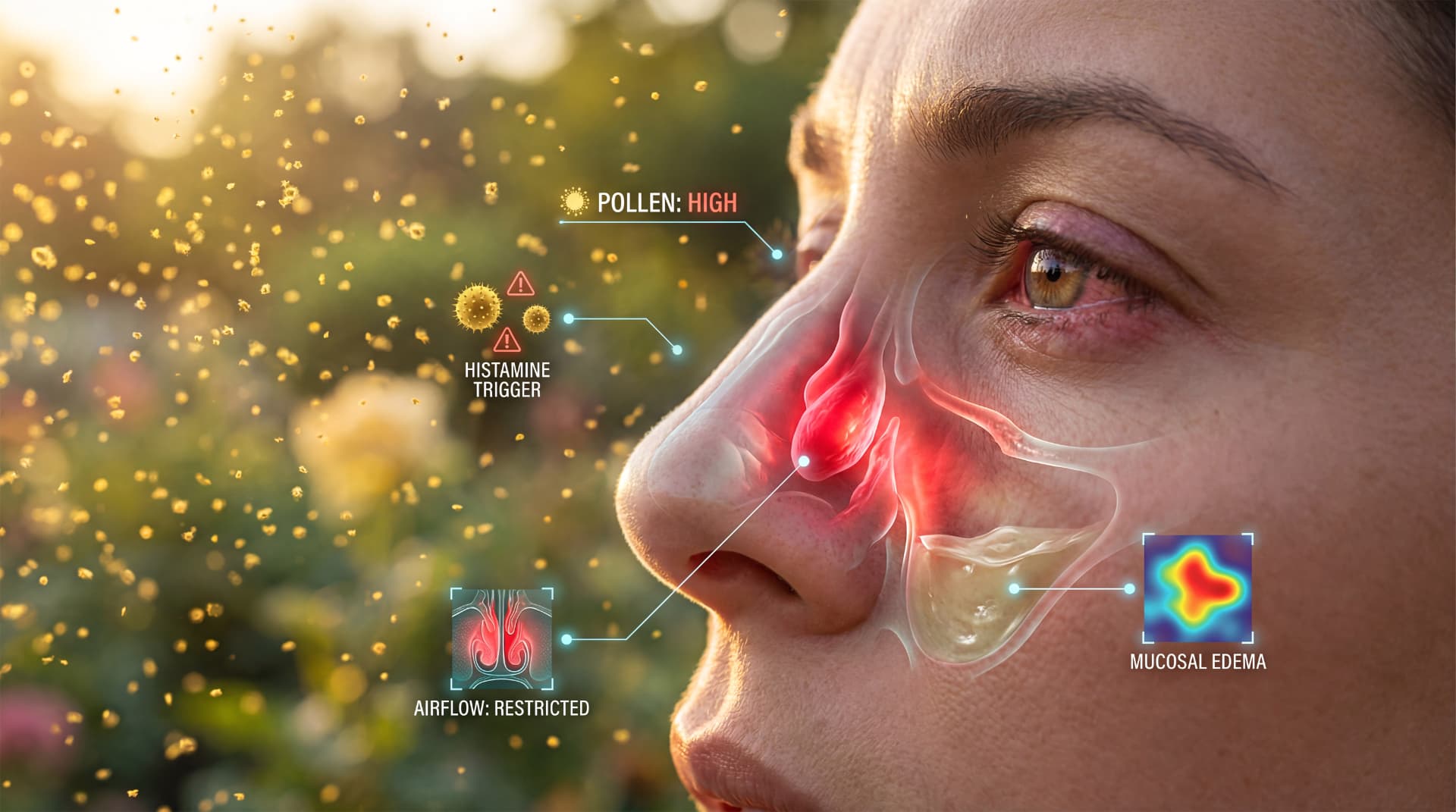
Service-connected allergic rhinitis, chronic sinusitis, deviated septum, or other nasal airway conditions may also be relevant. OSA involves repeated upper-airway obstruction during sleep. Nasal obstruction does not always cause OSA by itself, but it can contribute to mouth breathing, increased airway resistance, poor CPAP tolerance, fragmented sleep, and worsening sleep-disordered breathing. 5. OSA Secondary to Medication Side Effects
Many veterans take medications for service-connected mental health conditions, chronic pain, neurologic symptoms, or other disabilities. Some medications may contribute to weight gain, sedation, reduced muscle tone, fatigue, decreased activity level, or metabolic changes. These effects can become relevant in an OSA claim.
Bottom Line
Obstructive sleep apnea is not one of the chronic diseases listed under the one-year presumptive rule. Therefore, if OSA was not diagnosed during active duty, many veterans will likely need to pursue the condition on a secondary basis.
Common secondary pathways include PTSD, depression, anxiety, insomnia, chronic pain, musculoskeletal conditions, obesity as an intermediate step, rhinitis, sinusitis, asthma, GERD, and medication-related weight gain or sedation.
The key is not simply naming a possible pathway. The claim should explain how the veteran’s service-connected condition caused or aggravated OSA in that veteran’s specific medical history.
For many veterans, a carefully written medical nexus opinion can help connect the dots between service-connected disabilities and obstructive sleep apnea using the proper VA legal standard: at least as likely as not.
Are you ready to discuss how a sleep apnea nexus letter might help your case? Book a free phone consultation with Dr. Allen at this Book a free consultation .
About Dr. Allen
Dr. Jessica Allen is a psychiatrist and M.D. with experience evaluating veterans’ mental health conditions and writing detailed medical nexus letters for VA disability claims. As a former Compensation & Pension examiner, she understands how the VA reviews medical opinions, secondary service connection, obesity as an intermediate step, aggravation, and the “at least as likely as not” legal standard. Her nexus letters are medically thorough, evidence-based, and tailored to each veteran’s specific history, helping explain how obstructive sleep apnea may be caused or aggravated by service-connected conditions such as PTSD, depression, chronic pain, rhinitis, asthma, GERD, medication side effects, or weight gain related to service-connected disabilities.
Are you ready to discuss how a sleep apnea nexus letter might help your case? Book a free phone consultation with Dr. Allen at this Book a free consultation .
Sources: https://www.va.gov/disability/eligibility/illnesses-within-one-year-of-discharge/
Share this post: