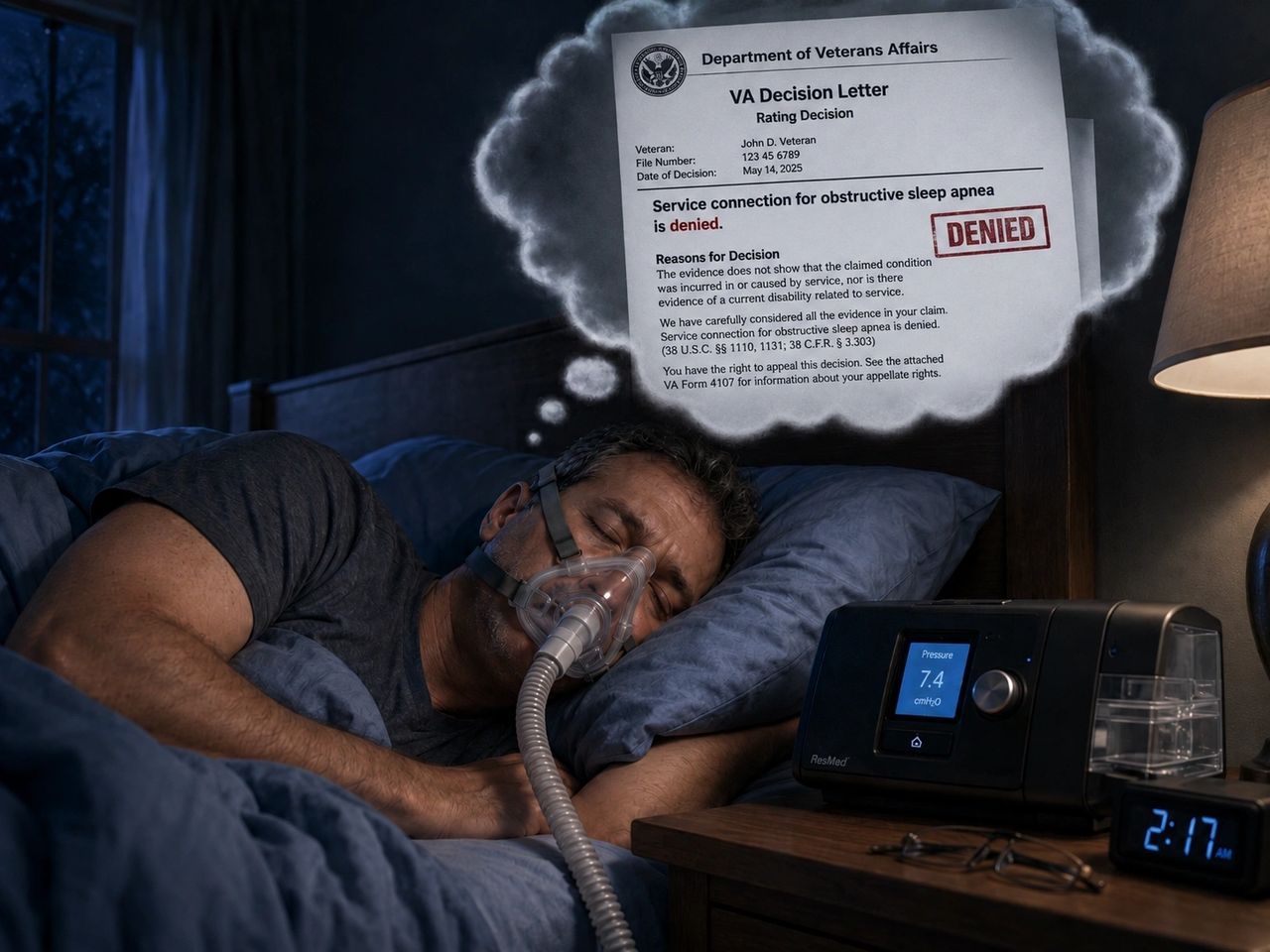

Sleep is vital to our health, but for some, it becomes a source of fear and distress. One particularly alarming experience is sleep paralysis, a phenomenon in which an individual temporarily loses the ability to move or speak while falling asleep or waking up. While it is commonly linked to stress and disrupted sleep patterns, emerging research and clinical experience suggest a strong correlation between sleep paralysis and obstructive sleep apnea (OSA)—a chronic sleep disorder characterized by airway obstruction during sleep.
What Is Sleep Paralysis?
Sleep paralysis is classified as a parasomnia—a disruptive sleep-related condition. It occurs when a person passes between stages of wakefulness and sleep and finds themselves unable to move their body despite being conscious. This typically lasts a few seconds to a couple of minutes and may be accompanied by:
- A feeling of choking or pressure on the chest
- Intense fear or panic
- Hallucinations (visual, auditory, or tactile)
- A sense of a threatening presence in the room
Although sleep paralysis is not life-threatening, it can be psychologically traumatic and contribute to long-term anxiety and insomnia if recurrent.
Understanding Obstructive Sleep Apnea (OSA)
Obstructive sleep apnea occurs when the muscles in the throat relax excessively during sleep, blocking the airway and interrupting breathing. These interruptions can occur dozens or even hundreds of times per night, resulting in fragmented sleep and low oxygen levels. Symptoms often include:
- Loud snoring
- Gasping or choking during sleep
- Excessive daytime sleepiness
- Morning headaches
- Mood changes and cognitive fog
OSA is more than just a nuisance—it is a serious medical condition linked to cardiovascular disease, hypertension, stroke, and depression.
The Link Between Sleep Paralysis and OSA
Many individuals who suffer from sleep paralysis also have undiagnosed or untreated OSA. The connection between the two conditions may stem from the following:
1. **Sleep Disruption and REM Instability
Sleep paralysis most commonly occurs during rapid eye movement (REM) sleep, when the brain is active but the body is immobilized to prevent acting out dreams. OSA fragments REM sleep due to repeated arousals and oxygen deprivation, leading to REM rebound and instability. This may increase the likelihood of REM intruding into wakefulness—resulting in sleep paralysis.
2. **Oxygen Desaturation and Arousal Response
Patients with OSA often experience micro-arousals as the body reacts to low oxygen levels. These arousals may not fully wake the individual but may trigger partial consciousness while the body remains in a state of REM paralysis.
3. **Panic and Hallucinatory Experiences
The choking sensations and gasping associated with OSA can blend with the vivid, fear-laden hallucinations of sleep paralysis, creating an especially distressing overlap between the two conditions.
Clinical Implications
Patients who report frequent sleep paralysis episodes—especially those accompanied by daytime fatigue, loud snoring, or observed apneic episodes—should be evaluated for OSA. In many cases, treating OSA with Continuous Positive Airway Pressure (CPAP) therapy can reduce or eliminate episodes of sleep paralysis.
Psychiatric Considerations
It’s also important to understand the psychological toll of these overlapping conditions. Both OSA and recurrent sleep paralysis have been linked to anxiety, depression, and PTSD, underscoring the need for a holistic diagnostic and therapeutic approach.
How Brightview Psychiatry Solutions Can Help
At Brightview Psychiatry Solutions, Dr. Jessica Allen specializes in helping veterans and civilians navigate complex sleep-related and psychiatric conditions. She understands how disorders like obstructive sleep apnea (OSA), insomnia, and sleep paralysis intersect with mental health, functional capacity, and VA disability claims.
In nexus letters written for service-connection for sleep apnea, Dr. Allen can include symptoms such as sleep paralysis—especially when they demonstrate the disruptive and distressing nature of the condition. These detailed, evidence-based letters provide compelling clinical rationale to support initial claims and appeals.
For veterans who are already service-connected for OSA, Dr. Allen can also assist in establishing secondary service connection for mental health conditions such as depression, anxiety, or PTSD, particularly when they are caused or aggravated by OSA symptoms like sleep paralysis, fragmented sleep, chronic fatigue, and emotional dysregulation.
📞 Book a free phone consultation today: Book a free consultation
Take the first step toward clarity, validation, and comprehensive care.
Share this post: