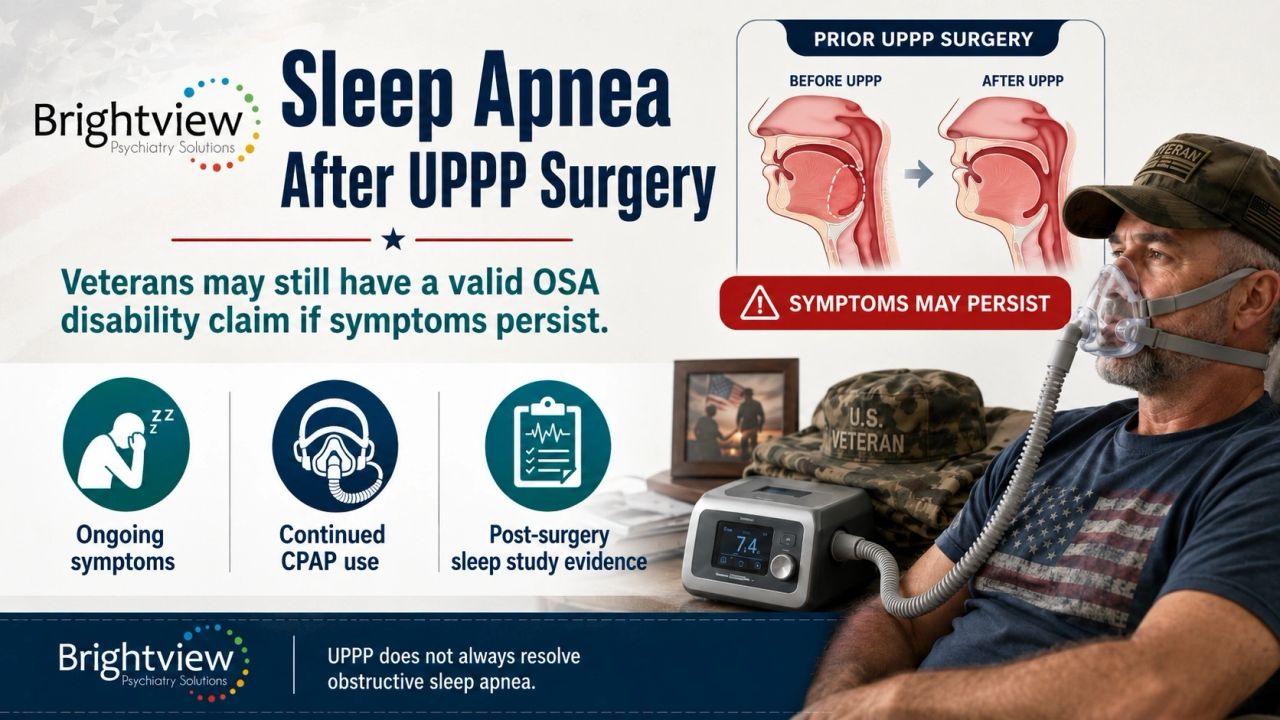
 Veterans can still pursue VA disability for sleep apnea after failed UPPP surgery. Learn how persistent OSA symptoms, CPAP use, post-surgical sleep studies, and nexus evidence may support a claim.
Author: Jessica Allen, M.D., physician and former C&P examiner
If you would like to discuss your sleep apnea case with Dr. Allen, please call our office at (919) 849-8617 or schedule a free phone consultation at this Book a free consultation .
Many veterans with obstructive sleep apnea undergo surgery hoping it will finally resolve their symptoms. One of the most common procedures is uvulopalatopharyngoplasty, often abbreviated as UPPP. This surgery is intended to reduce obstruction in the upper airway by removing or reshaping tissue in the throat, including parts of the soft palate, uvula, and sometimes surrounding tissue.
For some patients, UPPP may improve breathing during sleep. However, it does not always cure obstructive sleep apnea. Many veterans continue to experience snoring, witnessed apneas, daytime fatigue, poor concentration, morning headaches, irritability, and non-restorative sleep even after surgery. Some continue to require CPAP therapy or other forms of sleep apnea treatment.
From a VA disability perspective, this is important. A prior UPPP surgery does not automatically mean that a veteran’s obstructive sleep apnea has resolved. In fact, persistent symptoms after UPPP may help show that the veteran’s sleep apnea is chronic, medically significant, and treatment-resistant. All of this should be documented in a well-written sleep apnea nexus letter.
What Is UPPP?
Uvulopalatopharyngoplasty is a surgical procedure designed to improve airflow through the upper airway during sleep. It usually focuses on the soft palate and throat area. The goal is to reduce tissue collapse that contributes to obstructive breathing events.
However, obstructive sleep apnea is often more complicated than a single area of airway narrowing. OSA may involve obstruction at multiple levels, including the soft palate, tongue base, nasal passages, jaw structure, and pharyngeal airway. It may also be affected by neuromuscular airway control, sleep position, inflammation, weight changes, medications, and other medical conditions.
Because UPPP mainly addresses one region of the airway, it may not fully correct the underlying causes of sleep apnea in every patient.
Why Sleep Apnea Can Persist After UPPP
A veteran may continue to have obstructive sleep apnea after UPPP for several reasons.
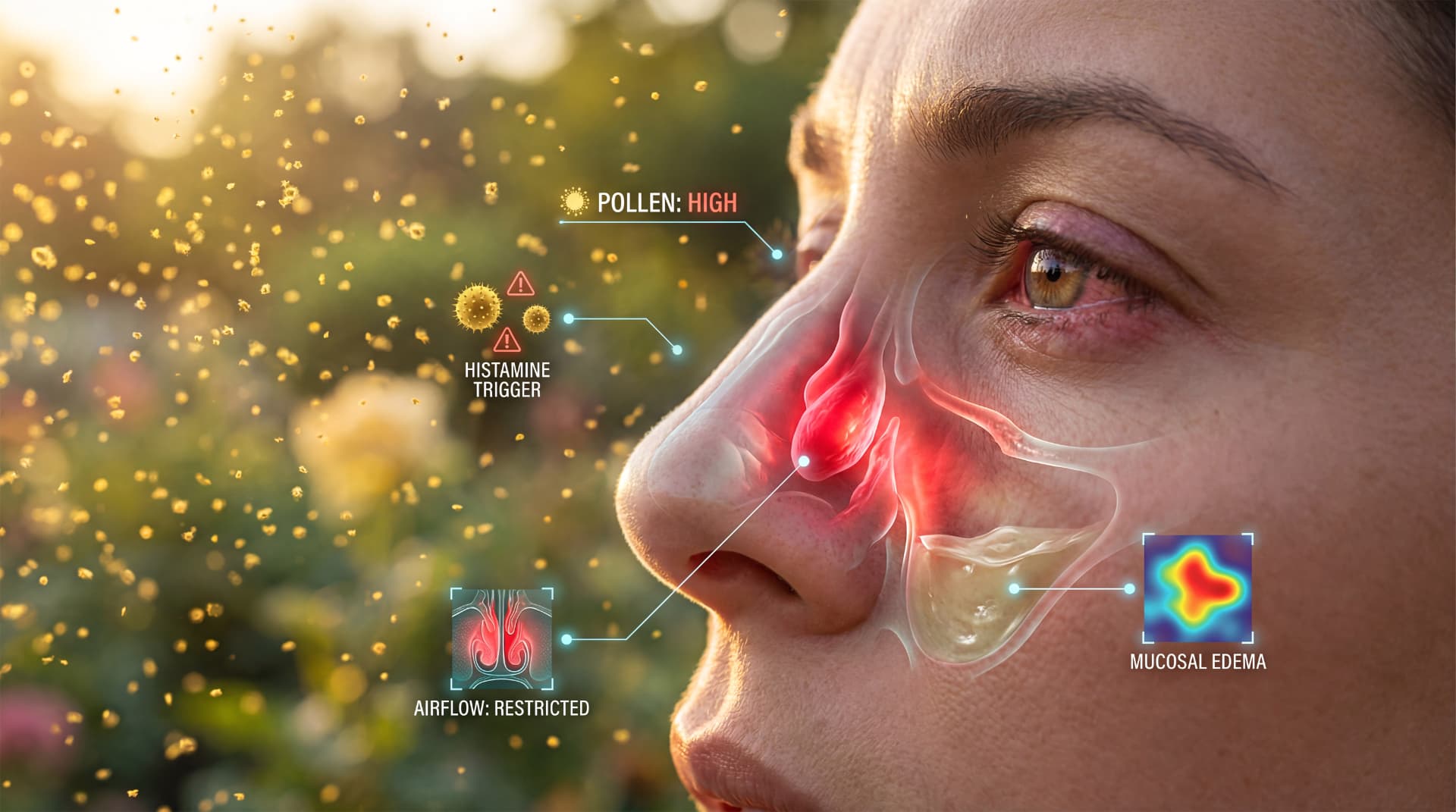
First, the obstruction may not have been limited to the soft palate. If airway collapse also occurs behind the tongue, in the nasal passages (i.e. the OSA is aggravated by a service-connected sinusitis or rhinitis condition), or at multiple levels of the upper airway, surgery to the palate alone may not resolve the condition.
Second, OSA is often influenced by other medical and psychiatric conditions. Veterans with PTSD, depression, anxiety, chronic pain, rhinitis, sinusitis, asthma, GERD, or medication-related weight gain may have multiple contributing factors that continue to aggravate sleep-disordered breathing.
Third, some veterans have persistent sleep fragmentation even after surgery. They may continue to awaken throughout the night, experience daytime sleepiness, or struggle with cognitive impairment due to ongoing poor sleep quality.
Finally, a post-surgical improvement does not necessarily equal a cure. A veteran’s apnea-hypopnea index may improve but remain abnormal. In these cases, the veteran may still meet diagnostic criteria for obstructive sleep apnea and may still require ongoing treatment and deserve service-connection.
Would like to discuss your sleep apnea case with Dr. Allen? Please call our office at (919) 849-8617 or schedule a free phone consultation at this Book a free consultation .
A Failed UPPP Does Not Eliminate a VA Sleep Apnea Claim
One common misunderstanding is that having surgery somehow weakens a VA disability claim for sleep apnea. That is not necessarily true.
The key issue is whether the veteran still has a current diagnosis of obstructive sleep apnea, ongoing symptoms, functional impairment, or a continued need for treatment. If the veteran still requires CPAP, BiPAP, an oral appliance, additional surgery, or ongoing sleep medicine care, then the condition may remain clinically significant.
In some cases, failed UPPP surgery may actually strengthen the evidentiary picture by showing that the veteran’s OSA has persisted despite invasive treatment. This can help demonstrate chronicity and severity, especially when supported by post-operative sleep studies, ENT records, sleep medicine notes, CPAP prescriptions, and lay statements. All of these findings should be discussed thoroughly in a well written nexus letter.
A nexus letter may help you obtain service-connection for sleep apnea. Please call our office at (919) 849-8617 or schedule a free phone consultation at this Book a free consultation to discuss your case.
Evidence Veterans Should Gather After UPPP
Veterans who continue to suffer from sleep apnea symptoms after UPPP should consider gathering the following types of evidence:
Post-operative sleep study results are especially important. These studies can show whether the apnea-hypopnea index remained abnormal after surgery. They can also document whether the veteran continued to have oxygen desaturations, respiratory events, or clinically significant sleep-disordered breathing.
CPAP prescription records and compliance data can also be useful. If a veteran still requires CPAP after UPPP, that fact may directly rebut any assumption that the surgery cured the condition.
ENT and sleep medicine records can help document persistent symptoms, surgical history, treatment failure, and ongoing recommendations.
Lay statements may also be valuable. A spouse, partner, roommate, or family member may be able to describe continued loud snoring, gasping, choking, restless sleep, witnessed apneas, daytime exhaustion, mood changes, or difficulty functioning after surgery.
The veteran’s own statement can also help explain how symptoms continued after UPPP and how OSA affects daily life, work performance, concentration, emotional regulation, and physical energy.
Common VA Errors in Post-UPPP Sleep Apnea Claims
In some cases, the VA may incorrectly assume that UPPP resolved the veteran’s sleep apnea simply because surgery was performed. That assumption may be medically incomplete if the record shows persistent symptoms, abnormal post-operative sleep testing, or continued need for CPAP.
Another common error is focusing too narrowly on whether surgery improved the condition, rather than whether the veteran still has a compensable and clinically significant diagnosis.
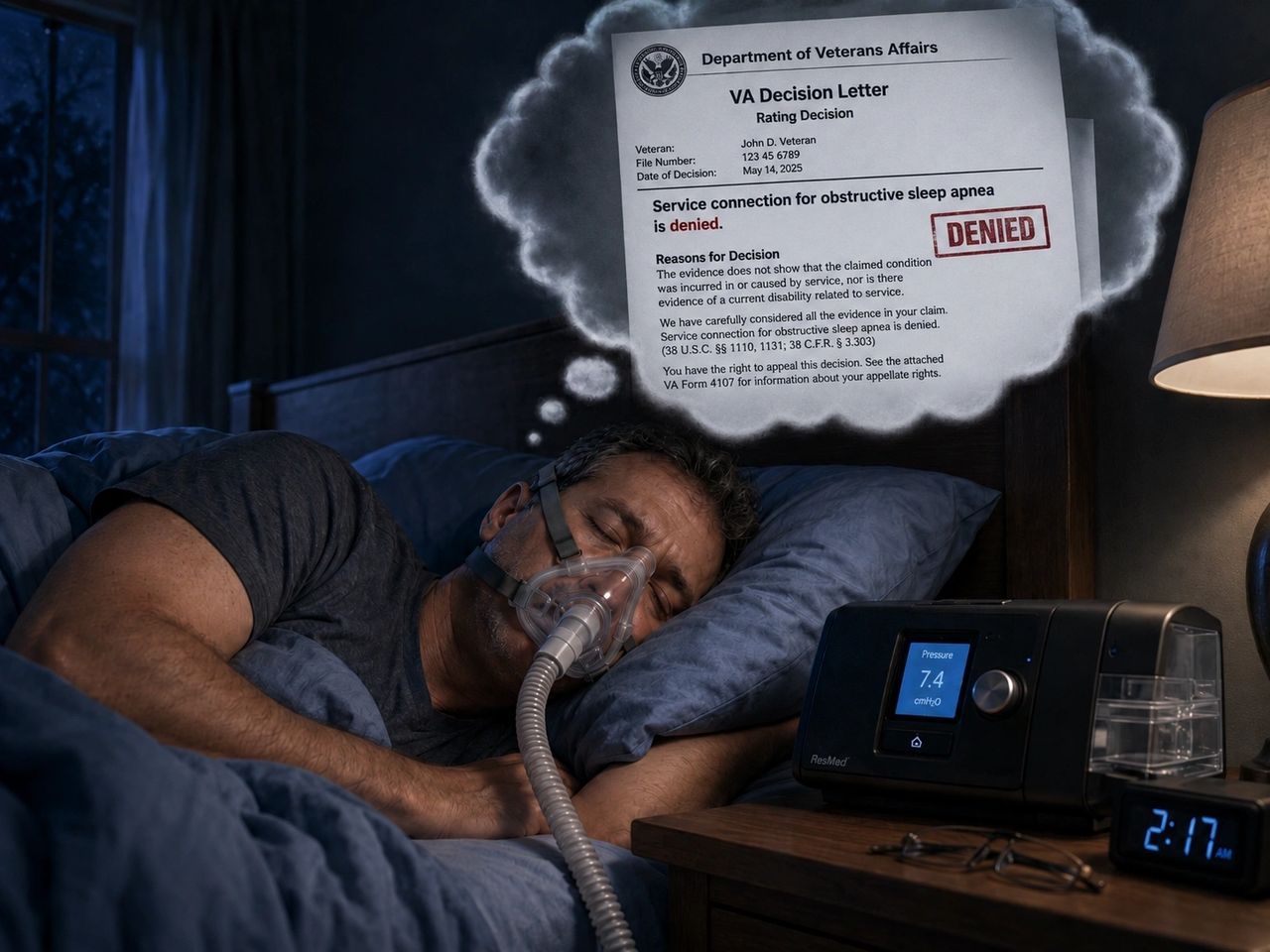
The VA may also overlook the role of secondary service connection. For example, a veteran’s OSA may be caused or aggravated by service-connected PTSD, depression, anxiety, chronic rhinitis, sinusitis, asthma, GERD, orthopedic pain, medication side effects, or weight gain caused by service-connected conditions. In these cases, the question is not simply whether UPPP helped. The question is whether the veteran’s current OSA is at least as likely as not related to military service or proximately due to, the result of, and/or aggravated by a service-connected disability.
Why a Medical Nexus Opinion Matters
A strong medical nexus opinion can be especially important when a veteran has undergone UPPP but continues to suffer from obstructive sleep apnea. The opinion should explain why surgery did not resolve the condition and why the veteran’s current OSA remains medically significant.
A well-supported nexus letter may address several key issues:
- It should confirm that the veteran continues to have obstructive sleep apnea after surgery.
- It should discuss whether the veteran still requires CPAP or other treatment.
- It should explain why UPPP does not necessarily cure OSA, especially when obstruction occurs at multiple airway levels or when other medical conditions continue to aggravate sleep-disordered breathing.
- It should evaluate whether the veteran’s OSA is at least as likely as not related to military service or secondary to service-connected conditions.
- It should also address inaccurate assumptions in prior VA opinions, such as the idea that surgery automatically resolved the condition or that obesity alone explains the veteran’s sleep apnea without considering the role of service-connected disabilities.
Secondary Service Connection After Failed UPPP
Many veterans pursue OSA claims on a secondary basis. This means the veteran is not necessarily arguing that sleep apnea began during active duty. Instead, the argument may be that the veteran’s sleep apnea was caused or aggravated by an already service-connected condition.
For example, PTSD and depression may contribute to chronic sleep disruption, hyperarousal, insomnia, changes in appetite, reduced physical activity, medication side effects, and weight gain. Chronic pain from orthopedic conditions may reduce activity and contribute to obesity as an intermediate step. Rhinitis and sinusitis may worsen nasal obstruction and upper airway resistance. Asthma and GERD may contribute to nighttime respiratory symptoms and fragmented sleep.
When UPPP fails to resolve OSA, it may be important to evaluate whether these ongoing service-connected conditions continue to aggravate the veteran’s sleep-disordered breathing.
A nexus letter may help you obtain service-connection for sleep apnea. Please call our office at (919) 849-8617 or schedule a free phone consultation at this Book a free consultation to discuss your case.
Why Choose Dr. Allen for an OSA Nexus Letter?
Not all sleep apnea nexus letters are created equal. Veterans with complex OSA claims—especially those involving failed UPPP surgery, persistent CPAP use, psychiatric conditions, chronic pain, rhinitis, sinusitis, asthma, GERD, weight gain, or prior VA denials—need more than a generic template. These cases require careful medical reasoning, attention to the veteran’s full history, and a clear explanation of how the facts of the case support service connection.
Dr. Jessica Allen is a physician and former C&P examiner who understands how VA disability claims are reviewed. Her approach is not that of a high-volume nexus letter mill. Brightview Psychiatry Solutions is a small practice, which allows Dr. Allen to dedicate meaningful time and attention to each veteran’s case. Rather than recycling boilerplate language, she reviews the veteran’s medical history, service-connected conditions, sleep study findings, treatment records, surgical history, lay statements, and prior VA rationale when available.
This individualized approach is especially important in post-UPPP sleep apnea claims. A veteran’s case may turn on subtle but important details: whether the surgery improved symptoms but did not resolve OSA, whether a post-operative sleep study remained abnormal, whether CPAP was still required, whether nasal obstruction or psychiatric symptoms continued to aggravate sleep-disordered breathing, or whether the VA improperly assumed that surgery meant the condition was cured. These nuances can be missed in a generic opinion.
Dr. Allen’s goal is to provide a thoughtful, evidence-based medical opinion that explains the veteran’s specific medical picture in clear language. A strong nexus letter should not simply state a conclusion. It should explain why the conclusion is medically reasonable, how the veteran’s records support it, and why alternative explanations may be incomplete or insufficient.
For veterans who continue to suffer from obstructive sleep apnea after UPPP surgery, a personalized medical nexus opinion may help clarify the relationship between ongoing OSA and military service or service-connected disabilities. If you would like to discuss your sleep apnea case with Dr. Allen, please call our office at (919) 849-8617 or schedule a Book a free consultation.
You May Also Be Interested In
Sleep Apnea Secondary to PTSD Nexus Letters
Sleep Apnea Secondary to Sinusitis Nexus Letters
Sleep Apnea Nexus Letters, Everything Veterans Need to Know
Share this post: