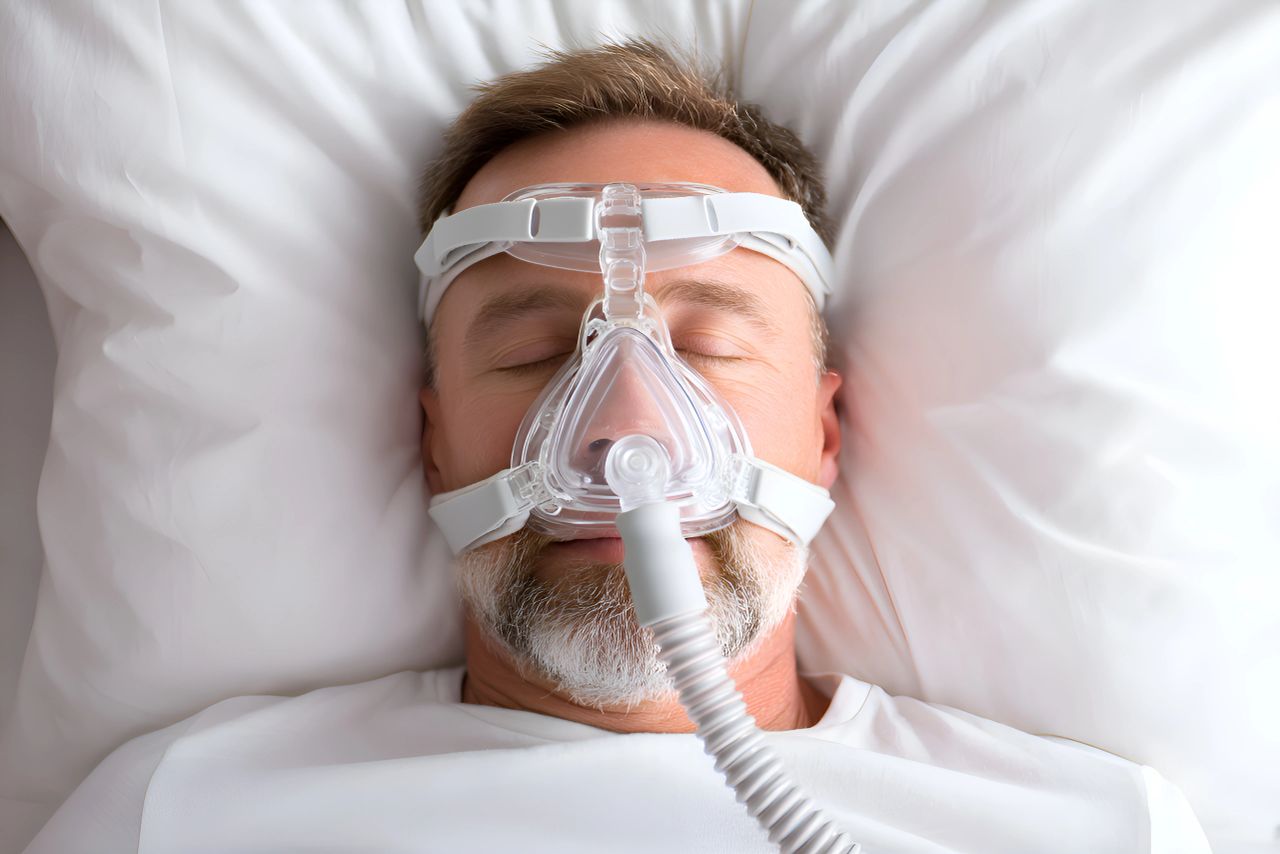
Sleep apnea is one of the most frequently claimed—but also one of the most misunderstood—conditions among veterans. Many servicemembers are diagnosed with Obstructive Sleep Apnea (OSA) or Central Sleep Apnea (CSA) only years after leaving the military, unaware that their symptoms began during service or were worsened by service-connected conditions. A properly crafted nexus letter can make all the difference in obtaining VA service connection.
The Two Main Types of Sleep Apnea
1) Obstructive Sleep Apnea (OSA)
OSA is the far more common form of sleep apnea. It occurs when the upper airway becomes partially or completely blocked during sleep—typically by relaxed throat muscles, the tongue falling back, or anatomical narrowing. The result is repeated interruptions in breathing, fragmented sleep, and significant daytime symptoms, which may include:
- Loud snoring
- Gasping or choking during sleep
- Morning headaches
- Excessive daytime sleepiness
- Difficulty concentrating or memory lapses
Primary etiologies and aggravators of OSA include:
- Obesity or progressive weight gain (often due to reduced physical activity, chronic pain, or service-connected orthopedic limitations)
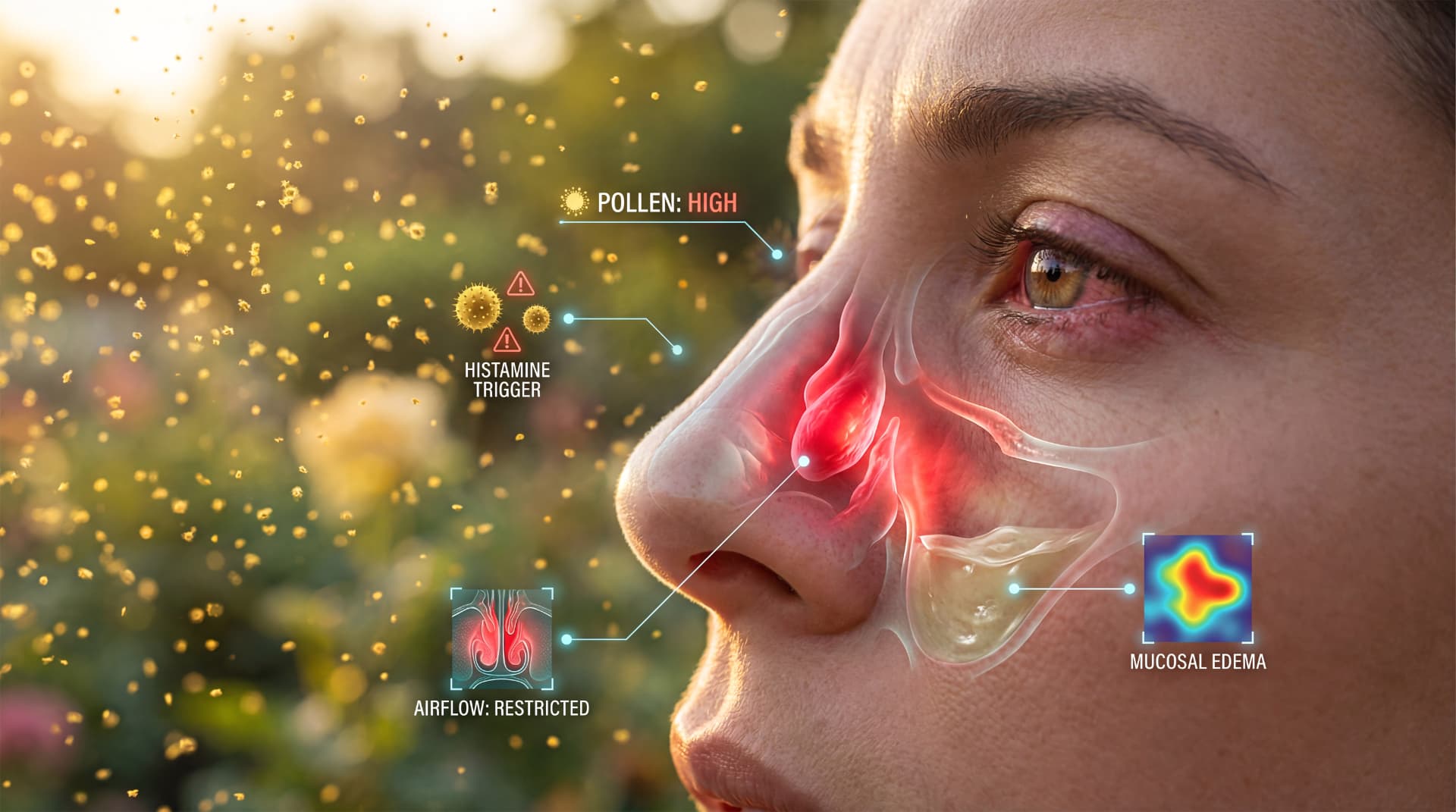
- Anatomical airway narrowing (e.g., large tonsils, nasal obstruction, deviated septum)
- Chronic sinus or nasal conditions (such as service-connected rhinitis or sinusitis)
- Sedating medications (antihistamines, opioids, sedative-hypnotics)
- Psychiatric conditions like PTSD or depression, which disrupt sleep continuity, increase sympathetic arousal, and reduce upper airway muscle tone
For many veterans, OSA develops secondarily to service-connected conditions. For example, a veteran with service-connected PTSD may develop disrupted sleep and hyperarousal that leads to OSA. Or a veteran with service-connected rhinitis may develop chronic nasal obstruction that exacerbates airway collapse during sleep.
2) Central Sleep Apnea (CSA)
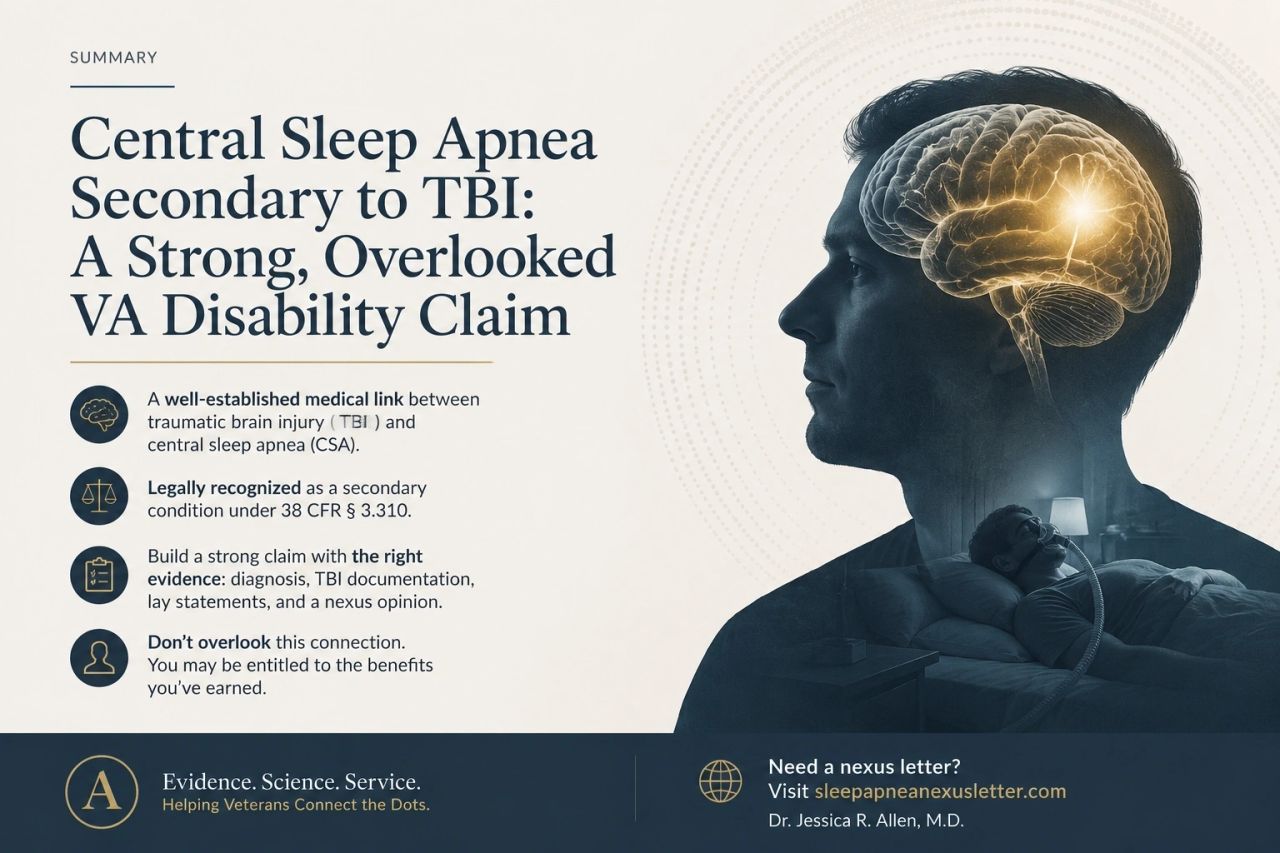
CSA is less common but often more complex. Unlike OSA, the problem in CSA is not a physical obstruction of the airway. Instead, CSA is characterized by pauses in breathing because the brain fails to send consistent signals to the respiratory muscles. The airway remains open, but airflow stops due to a lapse in neurological drive.
Primary etiologies and aggravators of CSA include:
- Neurological trauma or injury (including traumatic brain injury, which many veterans sustain)
- Use of opioid pain medications or certain sedatives (which suppress respiratory drive)
- Chronic heart failure, cerebrovascular disease, or brainstem abnormalities
- Long-term hypoxia, especially in those with other respiratory illnesses
Veterans with service-connected TBI, chronic pain managed by opioids, or long-term psychiatric conditions may develop CSA or a mixed sleep-apnea pattern. In such cases, a nexus letter is particularly important to link CSA to those service-connected conditions.
How PTSD, Depression, and Pain Disorders Worsen Sleep Apnea
Many veterans underestimate how much their mental-health and pain conditions contribute to sleep-disordered breathing. Chronic stress and hyperarousal from PTSD lead to elevated sympathetic nervous-system activation, which in turn disrupts sleep architecture, increases muscle tone irregularities, and reduces arousal thresholds. These changes make it more likely that the airway will collapse during sleep—especially during REM sleep when muscle tone is naturally reduced.
Similarly, veterans with chronic pain, orthopedic disorders, or obesity (whether directly service-connected or secondary to service-connected conditions) are at heightened risk of OSA. Sedentary lifestyle adaptations, pain-related sleep disturbances, emotional eating, and sedating medications all converge to increase OSA risk.
A properly written nexus letter can link these service-connected conditions (PTSD, chronic pain, rhinitis, etc.) to the veteran’s OSA or CSA, showing how service did not just play a peripheral role—but a direct or aggravating role.
How a Nexus Letter Can Help
A nexus letter is a detailed medical opinion tying your diagnosed sleep-apnea condition to your military service or a service-connected disorder. For veterans, this connection falls under 38 C.F.R. § 3.310(a) (disability proximately due to or the result of a service-connected condition) or § 3.310(b) (aggravation of a non-service-connected condition by a service-connected one). Because you do not need to prove that a service-connected condition is the sole cause—only that it contributed to, worsened, or caused your sleep apnea—a nexus letter becomes a decisive piece of evidence.
Critical elements of an effective nexus letter include:
- The physician’s credentials and specialty (sleep medicine, pulmonology, neurology, psychiatry)
- Review of service and medical records (sleep-study results, DSM diagnoses, in-service symptoms)
- Clear medical rationale linking the veteran’s condition to service or a service-connected disability
- Use of VA-acceptable language (e.g., “at least as likely as not [≥50%]”)
- Consideration and ruling out of alternative causes
- Description of occupational or functional impairment
Resources such as sleep-apnea-nexus-letter and sleepapneanexusletter.com explain how tailored nexus letters improve success in OSA or CSA claims. These sources emphasize the importance of distinguishing OSA vs. CSA, documenting the correct pathophysiology, and matching the right medical expert to the veteran’s case.
When to Seek a Nexus Letter
You may benefit from a nexus letter if:
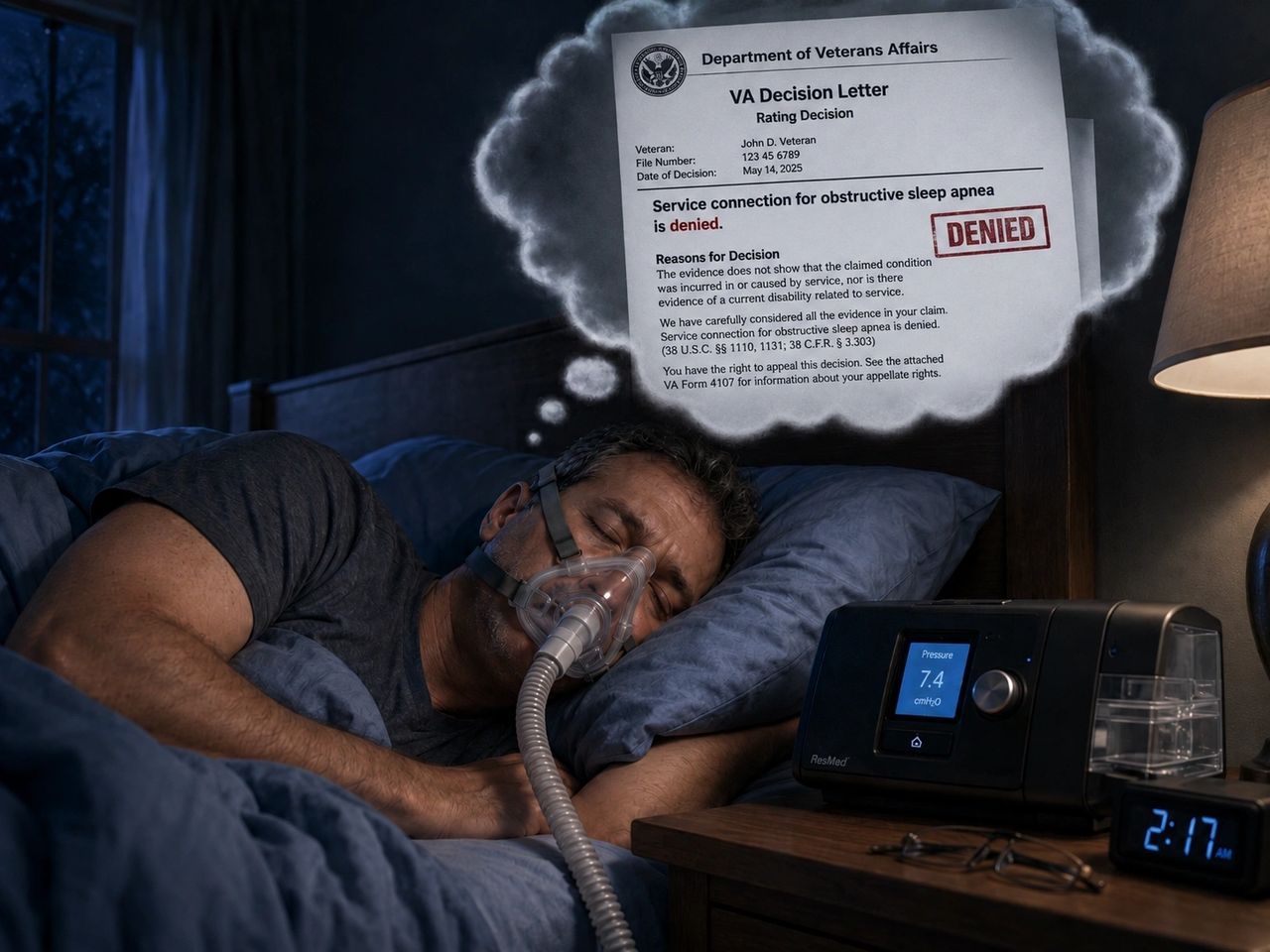
- You have a confirmed diagnosis of OSA or CSA and your claim is pending or was denied
- You are dealing with service-connected PTSD, rhinitis/sinusitis, TBI, chronic pain, or obesity and believe your sleep disorder is linked
- Your sleep study results, CPAP/oral-appliance usage, or treatment history point to long-standing issues stemming from your service or a service-connected condition
- You are preparing for a Compensation & Pension (C&P) exam and want to strengthen your file
- 👉 Book a free consultation
Final Thoughts
Both Obstructive Sleep Apnea and Central Sleep Apnea are serious, chronic disorders with far-reaching implications for health, cognition, and quality of life. For veterans, these conditions often originate in—or are significantly aggravated by—service-connected conditions such as PTSD, chronic pain, rhinitis, obesity, or TBI. A well-supported nexus letter bridges the gap between your diagnosis and your service history, meeting the VA’s requirements and giving your claim a compelling path to success.
If you believe your sleep apnea may be tied to your military service or a service-connected condition, take the next step:
and learn how a personalized nexus letter can make the difference.
Share this post: